
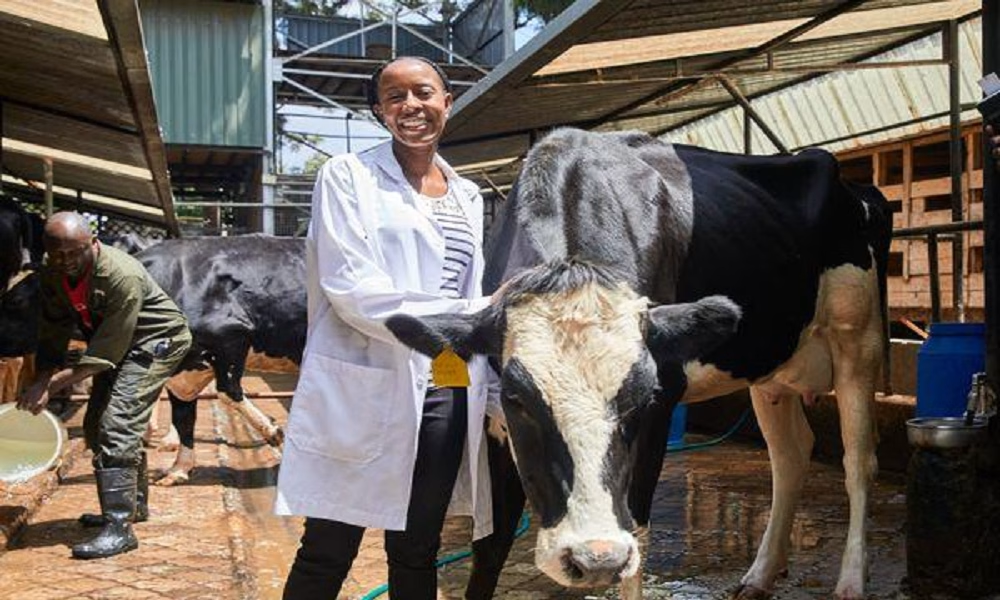
You have completed your animal science research. Perhaps you studied livestock nutrition, poultry production, animal breeding or disease prevention. Your findings could help farmers improve productivity, strengthen animal health or adopt more sustainable farming practices. But where should you publish your research? For students, lecturers and researchers in Kenyatta University’s Department of Animal Science, publishing offers an opportunity to share findings beyond the university. A well-prepared journal article can reach other scientists, agricultural professionals and policymakers. IPR Journals and Books offers several journals that animal science researchers can explore. This guide explains the department’s research areas, recommends suitable journals and outlines important steps before submission.
What Does Kenyatta University’s Department of Animal Science Cover?
The Department of Animal Science belongs to Kenyatta University’s School of Agriculture and Environmental Sciences. The department focuses on animal nutrition, livestock production, animal breeding, veterinary public health and animal health management. These fields contribute to food security, agricultural productivity and sustainable livestock systems.
Researchers may investigate several areas:
- Animal nutrition: Feed formulation, nutritional requirements, feed efficiency and alternative feed resources.
- Livestock production: Dairy farming, beef production, poultry management and animal productivity.
- Animal breeding: Genetic improvement, reproductive performance and livestock selection.
- Animal health: Disease prevention, animal welfare and livestock health management.
- Veterinary public health: Zoonotic diseases, food safety and health risks associated with animal production.
- Sustainable livestock farming: Climate adaptation, resource efficiency and environmentally responsible production.
For example, a study may examine how locally available feed ingredients affect dairy cattle productivity. Another may investigate disease prevention practices among smallholder poultry farmers.
Both studies can generate findings that support better livestock management.
Which IPR Journals Are Suitable for Kenyatta University Animal Science Research?
The right journal depends on your research topic and the contribution of your findings. IPR Journals and Books lists five journals in its biological sciences category that are particularly relevant to animal science research.
| Recommended journal | Suitable research topics | Journal link |
|---|---|---|
| Journal of Animal Health (JAH) | Animal diseases, veterinary public health, animal welfare, livestock health and disease prevention | View Journal of Animal Health |
| Journal of Livestock Policy (JLP) | Livestock policy, animal production systems, agricultural development, livestock markets and animal welfare policy | View Journal of Livestock Policy |
| International Journal of Agriculture (IJA) | Livestock production, animal nutrition, agricultural sustainability, farming systems and feed resources | View International Journal of Agriculture |
| International Journal of Biology | Animal physiology, genetics, microbiology, parasitology and biological research | Browse IPRJB Journals |
| International Journal of Food Sciences (IJF) | Dairy quality, meat processing, food microbiology, food safety and animal-derived food products | View International Journal of Food Sciences |
Submission email for all five journals: journals@iprjb.org
Online manuscript submission: IPR Journals and Books Submission Portal
The individual page for the International Journal of Biology has not yet been verified, so its link directs readers to the publisher’s official journal directory.
How Do You Choose the Right Journal for Your Animal Science Research?
Start by identifying the main problem your study addresses. If your research examines livestock diseases, vaccination practices or animal welfare, the Journal of Animal Health may be the most relevant option. For studies investigating livestock policies, farmer livelihoods or livestock marketing, consider the Journal of Livestock Policy. The International Journal of Agriculture may suit broader studies on livestock production, feed resources and sustainable farming systems. Researchers working on animal genetics, physiology or microbiology can explore the International Journal of Biology. Meanwhile, the International Journal of Food Sciences may be suitable for studies involving milk quality, meat safety or food products derived from animals. Before selecting a journal, compare its published articles with your manuscript. Review the aims, scope, author guidelines and publication policies. A good subject match is important, but it does not guarantee acceptance.
What Does CUE Require for Master’s and PhD Research Publications?
Postgraduate researchers in Kenya should understand the publication requirements associated with their academic programmes.
The Commission for University Education (CUE) provides national standards and guidelines for university education. The Universities Standards and Guidelines, 2014 include the following doctoral publication requirement: “Before the award of a doctoral degree, a candidate shall normally show proof of publication of at least two (2) papers in refereed journals”
This requirement highlights the importance of publishing doctoral research before graduation.
The Draft Universities (General) Regulations, 2026 also propose publication requirements for postgraduate students.
The draft proposes:
- Master’s students: At least one research paper accepted for publication in a refereed journal.
- PhD students: At least two research papers accepted for publication in scientifically indexed refereed journals.
Important: The 2026 regulations are draft proposals and should not be presented as enacted law. Students should confirm the applicable requirements with Kenyatta University’s Graduate School and their academic departments. Researchers should also establish whether their chosen journal meets the university’s current standards for refereeing and indexing.
Why Is Peer Review Important in Animal Science Research?
Peer review allows academic specialists to evaluate a manuscript before publication. For animal science research, reviewers may examine the study design, sampling methods, laboratory procedures, statistical analysis and interpretation of findings. For example, a study on animal feed efficiency should explain how feed intake, weight gain or milk production was measured. A study on livestock diseases should clearly describe diagnostic procedures and the evidence supporting its conclusions. IPR Journals and Books describes a double-blind peer-review process for submitted manuscripts. This means that authors and reviewers are not identified to one another during the review process. Reviewer feedback can help researchers strengthen their manuscripts before publication.
Why Should Animal Science Researchers Verify Journal Indexing?
Journal indexing can improve the discoverability of published research. IPRJB journal pages list discovery and indexing services such as Google Scholar, EBSCOhost, Scilit, Crossref and Dimensions, depending on the journal. However, these services have different purposes. Google Scholar is a scholarly search engine, while Crossref supports research identifiers and metadata. Their presence does not automatically mean that a journal satisfies every university’s indexing requirements. Before submitting a manuscript for postgraduate graduation purposes, researchers should independently verify the journal’s inclusion in the database required by their institution.
What Are the Benefits of Publishing with IPR Journals and Books?
Publishing with IPR Journals and Books offers several benefits to animal science researchers:
- Peer Review: Expert reviewers assess manuscripts and provide feedback to improve research quality.
- Open Access: Published articles are freely accessible to researchers, farmers and policymakers worldwide.
- Research Visibility: Online publication and scholarly discovery services help research reach wider audiences.
- DOI Registration: Published articles receive unique identifiers that support referencing and discovery.
- Publication Certificates: Authors can receive digital certificates documenting their publications.
- Affordable Fees: Publication charges are listed by the publisher, and authors can enquire about possible fee waivers.
- Editorial Support: Authors receive guidance on manuscript preparation and submission procedures.
- Academic Recognition: Publication can strengthen research profiles and create opportunities for citations and collaboration.
- Agricultural Development: Published findings can inform better livestock management, animal health and sustainable farming practices.
How Can You Prepare an Animal Science Manuscript for Publication?
A journal article should present a clear research question and explain the study’s contribution to existing knowledge. Start by identifying the most important finding from your thesis, dissertation or research project. Then organize your manuscript around the research problem, methodology, results and conclusions. For animal science studies, clearly describe the study population, experimental procedures, sample size and methods of analysis. Where research involves live animals, authors should also explain the applicable ethical approvals and animal welfare procedures.
Before submission, check that:
- The research topic matches the journal’s scope.
- The manuscript presents original findings.
- The methods are clear and reproducible.
- The results are supported by appropriate analysis.
- Ethical requirements have been addressed.
- References and formatting follow the journal’s guidelines.
- Publication fees and indexing information have been verified.
These checks can help improve manuscript quality and reduce avoidable editorial revisions.
How Do You Submit Your Animal Science Research to IPR Journals and Books?
Researchers can submit manuscripts through the IPRJB online submission portal. The process involves preparing the article, selecting a suitable journal and providing the required author and manuscript details.
Submit online: IPR Journals and Books Manuscript Submission
Submission email: journals@iprjb.org
Browse all journals: IPR Journals and Books
Authors should confirm the selected journal’s current submission instructions before sending their manuscripts.

Ready to Turn Your Animal Science Research Into a Publication?
Research conducted at Kenyatta University’s Department of Animal Science can contribute to better livestock production, improved animal health and more sustainable agricultural practices. Whether your study focuses on dairy nutrition, poultry diseases, animal breeding or livestock policy, publishing can help your findings reach a wider audience. Explore the relevant journals offered by IPR Journals and Books, confirm their suitability and prepare your manuscript for academic review.
Your animal science research could help inform the next generation of livestock management and agricultural innovation.