


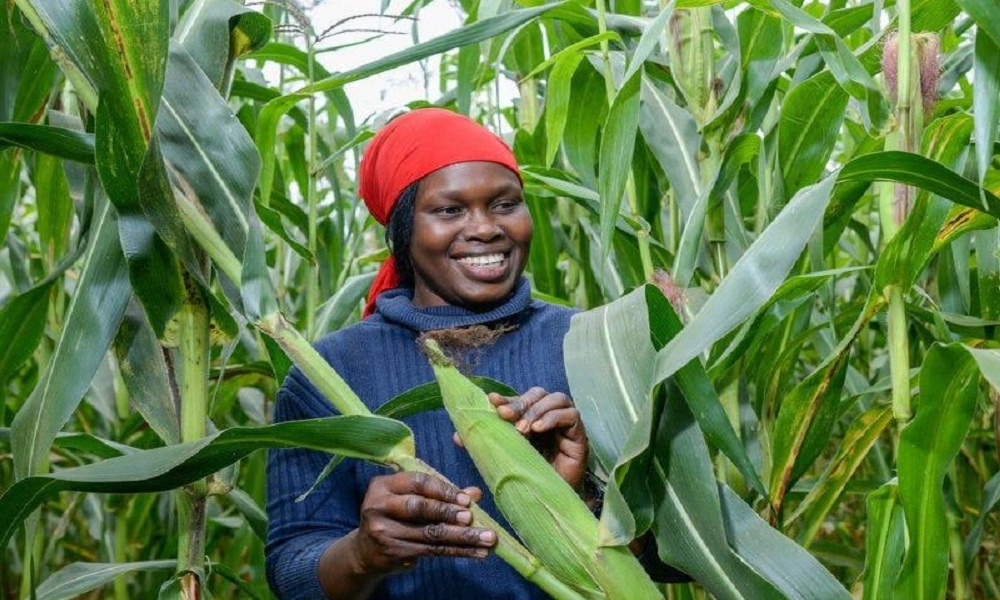
Every harvest tells an economic story. Behind rising food prices, changing agricultural markets and farmers’ financial struggles are research questions waiting for answers. At Kenyatta University’s Department of Agricultural Economics, researchers explore these challenges to improve agribusiness, food security and rural livelihoods. But what happens when valuable findings remain buried in a thesis or dissertation? Publishing transforms research into knowledge that policymakers, farmers and fellow scholars can use. Through IPR Journals and Books, agricultural economics researchers can explore peer-reviewed journals that help bring their findings to a wider academic audience.
Which IPR Journals Are Suitable for Agricultural Economics Research?
Researchers can explore the following five journals from IPR Journals and Books.
| Research area | Recommended IPR Journal | Journal link | Submission email |
|---|---|---|---|
| Agricultural Economics and Market Analysis | International Journal of Economics | View Journal | journals@iprjb.org |
| Agricultural Production and Agribusiness | International Journal of Agriculture | View Journal | journals@iprjb.org |
| Rural Finance and Agricultural Investment | Journal of Poverty, Investment and Development | View Journal | journals@iprjb.org |
| Agricultural Policy and Food Security | Journal of Public Policy and Administration | View Journal | journals@iprjb.org |
| Rural Development and Agricultural Transformation | Journal of Developing Country Studies | View Journal | journals@iprjb.org |
Submission email for all five journals: journals@iprjb.org
Submit online: IPR Journals and Books Manuscript Submission
The most suitable journal depends on your research objectives and findings. For example, a study on agricultural commodity prices may fit the International Journal of Economics, while research on farmer access to credit may align with the Journal of Poverty, Investment and Development. Always check the journal’s current scope and author guidelines before submitting.


What Are CUE’s Publication Requirements for Master’s and PhD Students?
The CUE Draft University Regulations 2026 (CUE) provides standards for postgraduate education in Kenya. The Draft Universities (General) Regulations, 2026 propose the following publication requirements:
- Master’s degree: At least one paper accepted for publication in a refereed journal.
- PhD degree: At least two papers accepted for publication in scientifically indexed refereed journals.
The draft’s doctoral provision states: “Before the award of a doctoral degree, a candidate shall be required to show proof of acceptance for publication of at least two (2) papers in scientifically indexed refereed journals.”


What Are the Benefits of Publishing with IPR Journals and Books?
Publishing with IPRJB offers several potential benefits to agricultural economics researchers:
- Peer Review: Academic reviewers evaluate manuscripts and provide feedback to improve research quality.
- Open Access: Published articles are freely accessible to researchers, farmers and policymakers.
- Research Visibility: Online publication and scholarly discovery services can help research reach wider audiences.
- DOI Registration: Published articles receive identifiers that support referencing and discovery.
- Publication Certificates: Authors can receive digital certificates documenting their publications.
- Publication Fees: The five recommended journals currently list online publication charges of USD 150 per article.
- Editorial Support: Authors can obtain guidance on manuscript preparation and submission procedures.
- Academic Recognition: Publication can strengthen scholarly profiles and create opportunities for citations and collaboration.
- Agricultural Development: Published findings can inform agricultural policies, investment decisions and rural development.
Why Should Agricultural Economics Researchers Check Journal Indexing?
Journal indexing helps researchers discover published articles through academic databases. However, peer review and indexing are not the same thing. A journal may use peer review without meeting a university’s specific indexing requirements. Researchers should verify the journal’s indexing status independently and confirm its eligibility with Kenyatta University before submitting.


How Can You Submit and Publish Your Agricultural Economics Research?
Your agricultural economics research deserves to reach beyond the classroom. Before submitting, ensure your manuscript is original, well-structured and aligned with your chosen journal’s scope. Review the research methodology, references, author guidelines, publication fees and ethical requirements. Whether your study at Kenyatta University’s Department of Agricultural Economics focuses on agribusiness, agricultural finance, food security or rural development, IPR Journals and Books offers publishing opportunities to help share your findings with researchers, policymakers and other stakeholders.
Ready to take the next step? Submit your research article online or email your manuscript to journals@iprjb.org and begin your publication journey.